How Long Does Mold Take to Grow After Water Damage?

Ricky Powers • 25 November 2025

If you’ve recently dealt with a flooded basement, burst pipe, or roof leak, you’re probably wondering how long you have before mold becomes a problem. The short answer is not long at all. Mold growth after water damage can begin in as little as 24 to 48 hours under the right conditions, which is why acting quickly is so important.


Understanding the mold timeline helps you make better decisions about cleanup and when to call for professional help. Here’s what every Maryland homeowner should know about how mold develops after water damage and what you can do to protect your home and your family.


The 24-48 Hour Window

Mold spores exist naturally in the air both inside and outside your home. They’re microscopic and virtually impossible to eliminate. Under normal circumstances, these spores are harmless. But when they land on a damp surface with organic material to feed on, they can begin to colonize rapidly.


Within the first 24 hours after water damage occurs, mold spores start settling onto wet surfaces. If those surfaces remain wet, the spores germinate and begin producing thread-like structures called hyphae that penetrate the material. By 48 to 72 hours, visible mold growth often appears. Within a week to ten days, a small patch of mold can spread significantly and release thousands of new spores into the air, compounding the problem.


This timeline explains why water damage restoration professionals emphasize speed so heavily. The difference between drying out a space within 24 hours versus letting it sit wet for several days can be the difference between a straightforward cleanup and a major mold remediation project.


Factors That Affect Mold Growth Speed

Not all water damage situations are equal when it comes to mold risk. Several factors influence how quickly mold takes hold and spreads.


Humidity plays the biggest role. Mold thrives when relative humidity exceeds 60 percent and grows fastest above 80 percent. Central Maryland’s humid summers create ideal conditions for rapid mold growth, especially in poorly ventilated spaces like basements, crawlspaces, and attics.


Temperature also matters. Mold grows best between 77 and 86 degrees Fahrenheit, though many species can grow in temperatures as low as 40 degrees or as high as 100 degrees. Your climate-controlled home typically stays within mold’s preferred range year-round.


The type of material that got wet affects the timeline, too. Porous materials like drywall, carpet, ceiling tiles, and wood absorb water and provide excellent food sources for mold. These materials are difficult to dry completely and often need to be removed if they’ve been wet for more than 24 to 48 hours. Non-porous materials like tile, glass, and metal can usually be cleaned and dried without mold becoming embedded.


Finally, the source of the water matters. Clean water from a supply line poses the lowest immediate risk, though it will still grow mold if left standing. Gray water from appliances or sump pump failures contains some contaminants and poses a higher risk. Black water from sewage backups or flooding contains bacteria and pathogens that create additional health hazards beyond mold.


Warning Signs That Mold Is Developing

Sometimes mold growth isn’t immediately visible, especially when it develops behind walls, under flooring, or in other hidden spaces. Knowing the signs of mold growth helps you catch problems before they become severe.


A musty, earthy odor is often the first indication that mold is present. If your home smells damp or stale after water damage, even if everything looks dry, mold may be growing somewhere out of sight.


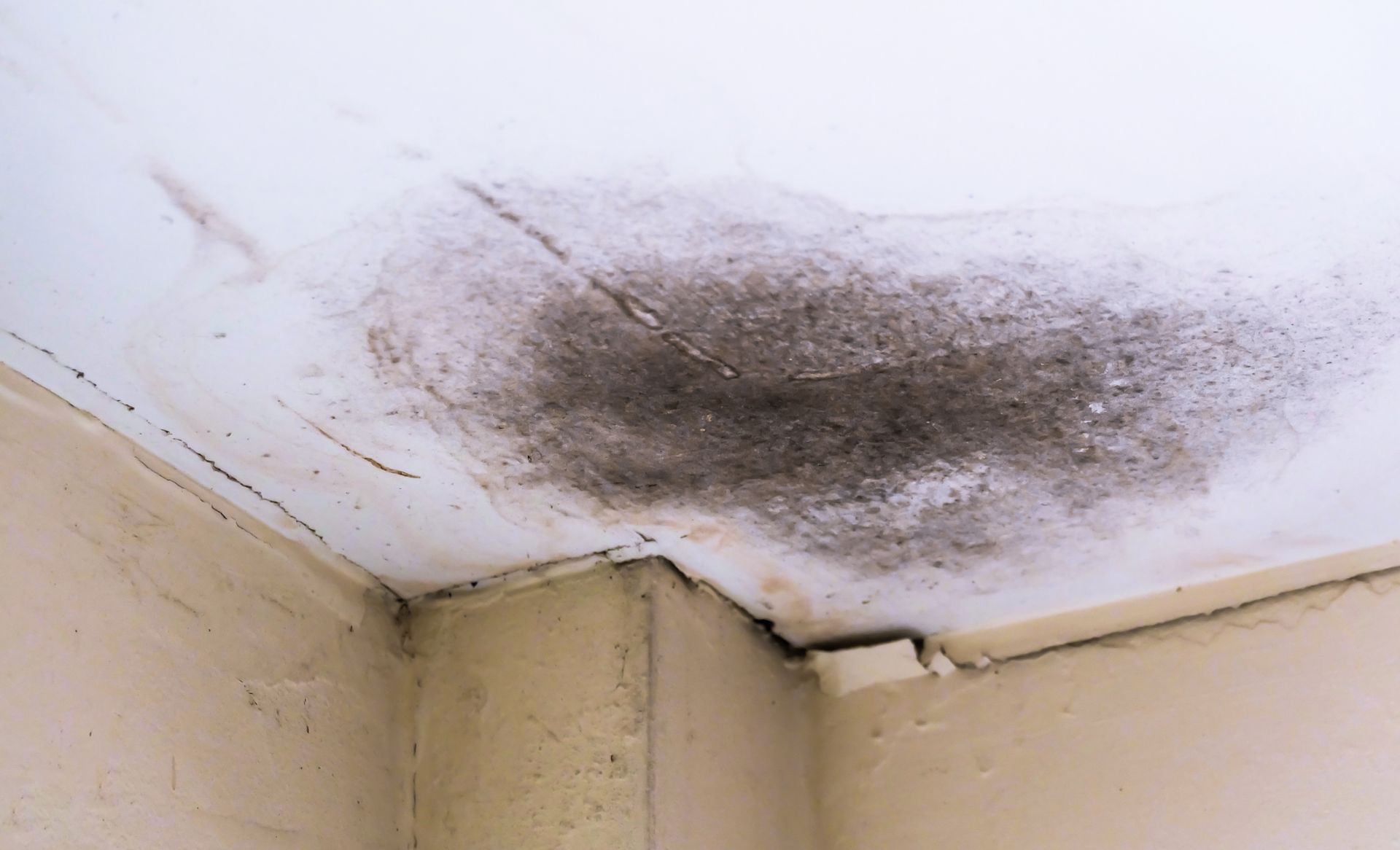
Visible discoloration on walls, ceilings, or floors can indicate mold growth. Mold appears in various colors, including black, green, gray, and white. It often looks fuzzy or slimy and may appear in circular patterns that spread outward.


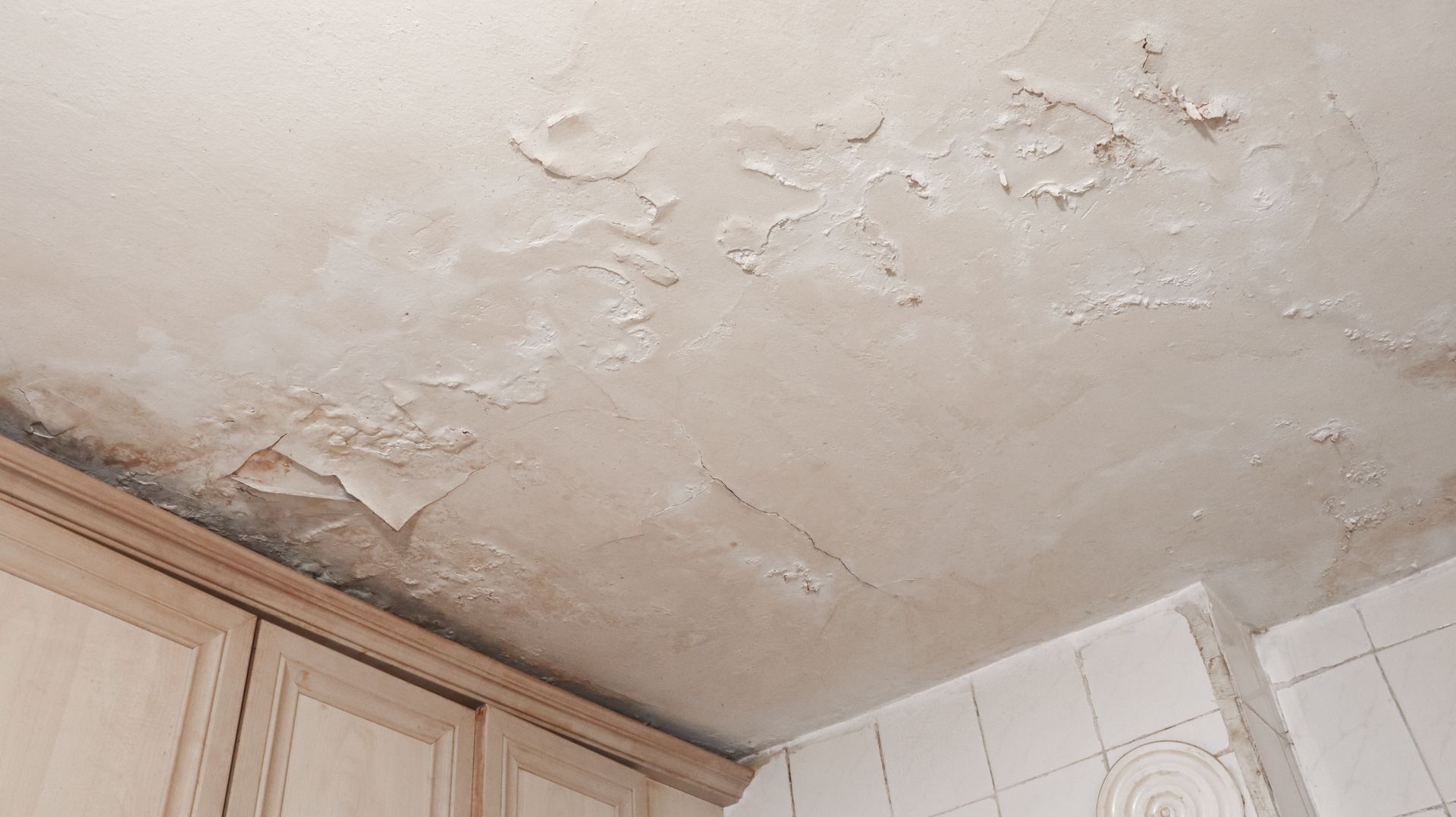
Peeling paint or wallpaper, warped wood, and bubbling drywall can all indicate moisture trapped in building materials where mold is likely developing.


If you or family members experience unexplained allergy symptoms, respiratory issues, or headaches that seem worse at home, hidden mold could be the cause.


Health Risks of Mold Exposure

Mold exposure affects people differently depending on the type of mold, the extent of exposure, and individual sensitivity. Common symptoms include nasal congestion, sneezing, coughing, eye irritation, and skin rashes. People with asthma may experience worsened symptoms or more frequent attacks.


Prolonged exposure to certain mold species can lead to more severe respiratory problems. Infants, elderly individuals, and those with compromised immune systems face a higher risk. Some molds produce mycotoxins that can cause more severe health effects with extended exposure.


Beyond health concerns, extensive mold growth damages your home’s structure and significantly impacts property value. What starts as a minor water leak can become a major remediation project costing thousands of dollars if mold is allowed to spread unchecked.


Immediate Steps to Prevent Mold After Water Damage

If you’re dealing with water damage right now, time is critical. Here’s what you should do immediately to minimize mold risk. Stop the water source if possible. Turn off the main water supply if you have a burst pipe or shut off the appliance that’s leaking. Remove standing water as quickly as possible. Use a wet/dry vacuum, mop, or pump, depending on the volume of water. Increase air circulation by opening windows and running fans. Position fans to push air across wet surfaces and out of the space. Run a dehumidifier to pull moisture from the air. Keep humidity below 50 percent during the drying process.


Remove wet materials that can’t be dried quickly. Saturated carpet, carpet padding, and drywall that has been wet for more than 24 to 48 hours typically need to be discarded. Document everything with photos for insurance purposes before you start the cleanup.


When to Call a Professional

Some water damage situations are manageable without professional help. If a small area gets wet from clean water and you can dry everything within 24 hours, you may be able to handle it yourself with fans, dehumidifiers, and thorough cleaning.


However, professional water damage restoration is strongly recommended when the affected area is large, when the water source is gray or black water, when water has been standing for more than 24 hours, when water has soaked into walls or flooring, or when you notice any signs of mold growth.


Professional restoration companies have commercial-grade equipment that dries structures far faster than household fans and dehumidifiers. They use moisture meters to verify that materials are completely dry, including inside wall cavities and under flooring, where hidden moisture causes the worst mold problems.


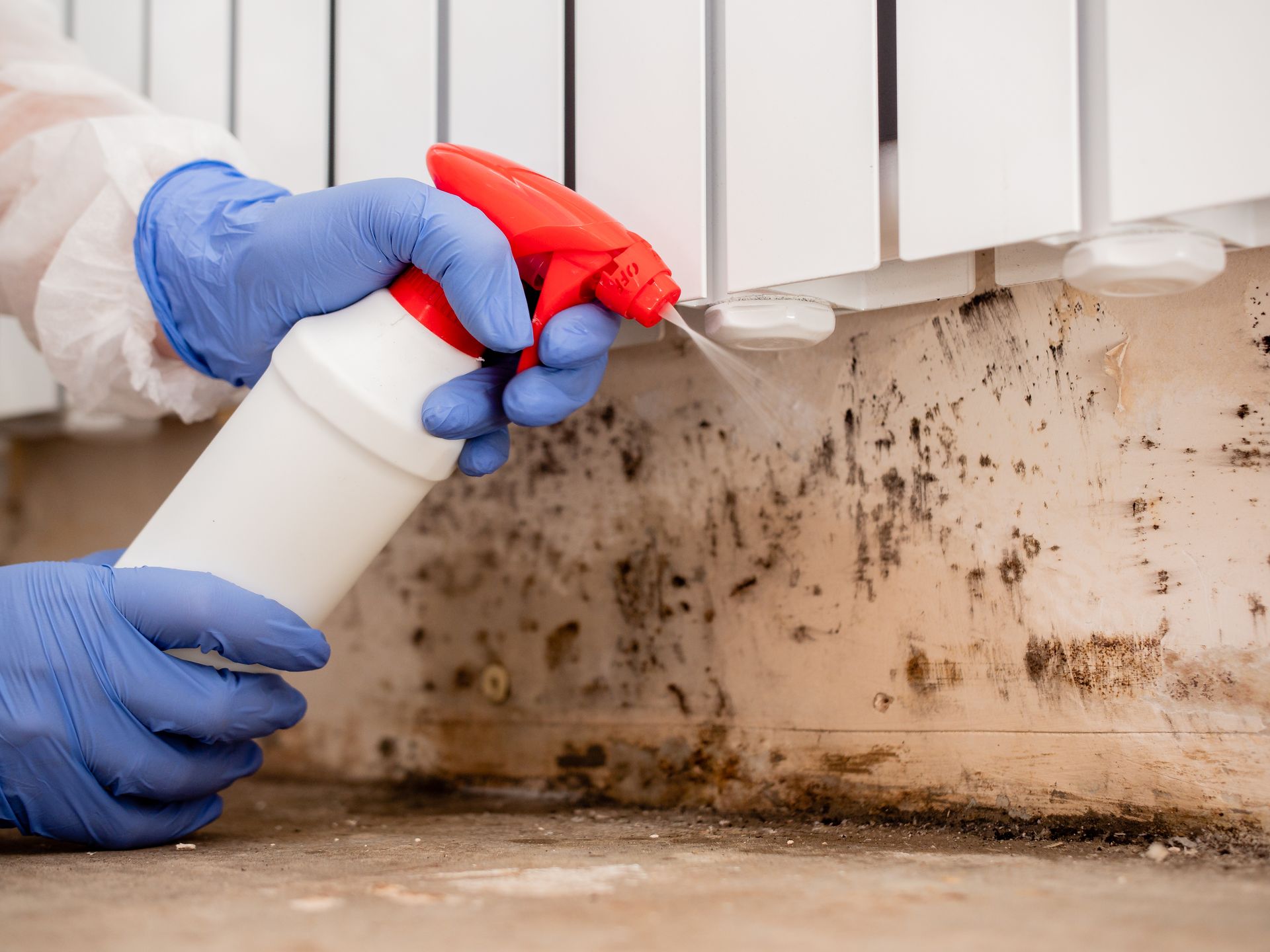
If mold has already started growing, professional mold remediation Maryland homeowners can trust involves proper containment to prevent spore spread, safe removal of contaminated materials, thorough cleaning of salvageable surfaces, and verification testing to ensure the problem is resolved.


CNR Restoration Is Here to Help

CNR Restoration provides water damage restoration and mold remediation services throughout Central Maryland, including Frederick County, Carroll County, Baltimore County, Howard County, and surrounding areas. Our team responds quickly because we understand that every hour counts when you’re facing water damage.


If you’re dealing with  water damage or suspect mold growth  in your home, don’t wait to see how bad it gets. Contact CNR Restoration  today for a professional assessment. The faster you act, the better your outcome will be.

A large, dark water stain and mold growth on a white ceiling corner where it meets two beige walls.
by Ricky Powers 1 October 2025
5 Signs Your Frederick Home Has Hidden Water Damage (And What to Do About It) Water damage rarely announces itself with dramatic flooding or obvious leaks. More often, it lurks silently behind walls, beneath floors, and above ceilings—slowly destroying your Frederick County home while you remain completely unaware. By the time visible signs appear, you’re often facing thousands of dollars in repairs that could have been prevented with early detection. Frederick County’s unique characteristics make hidden water damage particularly common here. Our clay-heavy soils hold moisture against foundations. Maryland’s humid climate creates condensation issues. Freeze-thaw cycles stress pipes and roofing. Older homes in historic Frederick neighborhoods have aging plumbing and original materials vulnerable to moisture intrusion. Combined, these factors mean many Frederick homeowners are living with active water damage right now without realizing it. The financial stakes are significant. Hidden water damage detected early typically costs $2,000-5,000 to remediate. The same damage, left undetected for months, escalates to $10,000-30,000+ as mold grows, structural materials deteriorate, and secondary damage compounds. Beyond costs, hidden water damage threatens your family’s health through mold exposure and compromises your home’s structural integrity. This guide helps Frederick County homeowners recognize five key signs of hidden water damage before it becomes a crisis. Understanding what to look for—and what to do when you find it—protects both your property investment and your family’s wellbeing. Sign #1: Unexplained Water Bill Increases Your water bill provides early warning of hidden leaks that you might not discover otherwise for months or years. How Hidden Leaks Affect Your Water Bill Water bills typically remain consistent month-to-month when accounting for seasonal variations (slightly higher summer bills from lawn watering, for instance). Unexplained increases—particularly gradual upward trends over several billing cycles—often indicate hidden leaks wasting water continuously. What to watch for: 10-15% increase without explanation warrants investigation 20%+ increase strongly suggests a leak somewhere in your system Consistent creep upward over 3-4 months even without dramatic jumps Higher usage when you’re certain your water use habits haven’t changed Common Sources of Hidden Leaks In Frederick County homes, these hidden leaks frequently occur: Underground or foundation leaks: Water lines running beneath your home or through your foundation can develop leaks that waste enormous amounts of water while remaining completely invisible. You won’t see water pooling, but moisture saturates soil around your foundation—creating the perfect conditions for foundation water intrusion and mold growth in your basement or crawl space. Toilet leaks: A running toilet can waste 200+ gallons daily without making an obvious noise. The leak occurs inside the tank or through the flapper valve—completely silent, completely hidden, completely expensive. Supply line leaks behind walls: Supply lines to sinks, toilets, washing machines, and refrigerators run through walls and floors. Small leaks at connections or corroded pipe sections drip continuously behind drywall where you can’t see them. The water damage accumulates for months before you notice staining, mold, or structural damage. Hot water heater leaks: Small leaks at the base of water heaters or from pressure relief valves often go unnoticed in basements or utility rooms. The water evaporates or drains away slowly, but continuous moisture creates mold growth and floor damage over time. How to Verify a Hidden Leak Check your water meter: Turn off all water-using appliances and fixtures in your home Check your water meter and record the numbers Wait 1-2 hours without using any water Check the meter again If the numbers changed, water is flowing somewhere even with everything turned off—confirming a hidden leak exists. Monitor usage patterns: Many water companies provide online usage monitoring showing hourly or daily consumption. Look for: Continuous baseline usage even during hours when no one is home Overnight usage when everyone is sleeping Spikes at unusual times Calculate expected usage: The average person uses 80-100 gallons daily. A family of four should use roughly 9,600-12,000 gallons monthly. If your bill shows 15,000+ gallons with no obvious explanation, investigate immediately. What to Do Don’t ignore water bill increases, hoping they’ll resolve themselves. Contact CNR Restoration for professional leak detection using acoustic listening devices and moisture meters that pinpoint hidden leaks without destructive investigation. Early leak repair prevents the water damage, mold growth, and structural issues that make small plumbing repairs into major restoration projects. Sign #2: Musty or Moldy Odors Without Visible Source Your nose often detects water damage before your eyes do. Musty, earthy, or moldy odors indicate active mold growth somewhere in your home—even if you can’t see it. Why Odors Indicate Hidden Water Damage Mold produces volatile organic compounds (MVOCs) as it grows and metabolizes organic materials. These compounds create the distinctive musty smell associated with basements, old books, and water-damaged buildings. The odor intensity correlates with colony size—stronger smells mean more extensive growth. Critical point: If you smell mold, mold is definitely present and growing. The question isn’t whether you have a problem, but where it’s located and how extensive it has become. What Musty Odors Tell You Location clues: Strongest in basements or crawl spaces: Foundation water intrusion, high humidity, or groundwater issues Concentrated near specific walls: Leaks behind drywall, often from plumbing or roof leaks Throughout one level of the home: HVAC system contamination spreads mold spores through ductwork Worse after rain: Roof leaks, window leaks, or foundation water intrusion Stronger in humid weather: Indicates moisture problems exacerbated by Maryland’s humidity Odor characteristics: Earthy, musty smell: Active mold growth on organic materials (drywall, wood, insulation) Rotting wood smell: Advanced mold damage with wood deterioration Sewage-like odor: Potential sewer line leak or backup (requires immediate attention) Why You Should Never Ignore Musty Odors Many Frederick homeowners rationalize musty smells: “All basements smell like this,” “It’s just an old house smell,” or “It only smells when it’s humid outside.” These rationalizations allow water damage to worsen unchecked. The reality: Musty odors indicate active mold growth requiring remediation Mold colonies producing strong odors are already established and spreading Health impacts begin even before mold is visible—respiratory irritation, allergies, and asthma symptoms The moisture source causing mold growth is simultaneously damaging structural materials Every day of delay allows both mold spread and water damage progression Common Hidden Sources Behind walls: Slow plumbing leaks or roof leaks allow water to accumulate inside wall cavities. Mold grows on the paper backing of drywall, wooden studs, and insulation—completely hidden but producing strong odors. In crawl spaces: Frederick County’s clay soils create high humidity in crawl spaces. Poor ventilation traps moisture, creating ideal mold conditions. The musty smell rises through floor gaps into living spaces. Inside HVAC systems: Condensation from air conditioning accumulates in drain pans or ductwork. Mold grows inside the system and distributes spores throughout your home every time the system runs. This creates musty odors in multiple rooms simultaneously. Under flooring: Water damage to subfloors from leaks, flooding, or foundation moisture creates mold growth beneath hardwood, laminate, or carpet. You smell it but can’t see the source. In attics: Roof leaks allow water into attic insulation and wooden structural members. Mold grows extensively in attics before homeowners discover it because attics are rarely inspected. What to Do Don’t mask musty odors with air fresheners or ignore them as “normal.” The smell indicates a moisture problem and active mold growth requiring professional investigation. CNR Restoration’s IICRC-certified technicians use moisture meters and thermal imaging to locate hidden moisture sources, identify mold extent, and provide comprehensive remediation that eliminates both the mold and its cause. Sign #3: Wall and Ceiling Discoloration, Staining, or Paint Bubbling Visual changes to walls and ceilings provide clear evidence of hidden water damage, even when the source remains concealed. What to Look For Water stains and discoloration: Yellowish-brown stains on ceilings or walls indicate water has been present—even if it’s currently dry. Common patterns: Ceiling stains: Usually indicate roof leaks or plumbing leaks from the floor above Corner staining: Often from roof leaks where walls meet ceilings Irregular brown patterns: Water following structural members (joists, studs) before emerging at surfaces Rings or tide marks: Show water intrusion patterns and where water pooled before evaporating Paint or wallpaper bubbling and peeling: Paint and wallpaper adhere properly only to dry surfaces. Water infiltrating walls from behind causes: Bubbling or blistering paint: Water trapped between paint and drywall Peeling wallpaper: Moisture dissolving wallpaper adhesive Cracking or flaking paint: Advanced water damage with material deterioration Texture changes: Soft or spongy drywall: Indicates active saturation or recent water damage Bulging or sagging: Drywall or ceiling material heavy with absorbed water Crumbling texture: Advanced deterioration from prolonged moisture exposure What Each Sign Indicates Active vs. old water damage: Darker, wet-looking stains: Active water intrusion happening now Faded, dry stains: Past water damage (but source may still be active) Stains that grow or change: Confirms ongoing water problem Stains that stay constant: May indicate a resolved issue, but inspection is recommended Location indicates source: Ceiling stains near exterior walls: Roof leaks from damaged shingles, flashing, or ice dams Ceiling stains near bathrooms: Toilet leaks, tub leaks, or supply line failures Wall stains at floor level: Foundation water intrusion or plumbing leaks Wall stains mid-height: Plumbing leaks inside walls Stains near windows: Window leaks or condensation issues Frederick County Specific Considerations Historic downtown Frederick homes: Older homes often have plaster walls rather than drywall. Water damage in plaster creates: Discoloration and staining similar to drywall Cracking and crumbling plaster Separation from lath backing Bulging areas where water accumulates Freeze-thaw damage: Frederick’s winter freeze-thaw cycles create unique water intrusion patterns: Ice dams on roofs cause water backup under shingles Frozen pipes burst, creating sudden water damage Foundation cracks expand, allowing more water intrusion Exterior water infiltration through masonry and siding gaps What to Do Never paint over water stains or ignore discoloration, hoping it won’t worsen. Staining indicates water was present—possibly still present—creating conditions for mold growth and structural damage. Professional moisture detection identifies whether materials are still wet, locates the water source, and determines the extent required. Sign #4: Warped, Buckled, or Soft Flooring Flooring reacts visibly to water damage, often providing the first obvious sign of hidden moisture problems beneath. Hardwood Floor Warning Signs Cupping: Individual boards curl upward at the edges while the center remains lower, creating a concave shape. Cupping indicates moisture entering from below—typically from: Basement or crawl space moisture rising through the subfloor Plumbing leaks beneath the flooring Foundation water intrusion High humidity causes the bottom of the boards to swell more than the top Crowning: The opposite of cupping—board centers are higher than edges. Often occurs after cupped floors are dried too quickly or indicates moisture from above (like cleaning with excessive water). Buckling: Boards separate from the subfloor, creating raised areas or gaps. Severe moisture damage causes wood expansion beyond what nails or adhesive can contain. Warping: Individual boards twist or bend, creating uneven surfaces. Indicates moisture exposure over extended periods. Dark staining: Water staining on hardwood appears as dark patches or streaks. Often accompanies cupping or buckling, showing where water infiltration was concentrated. Laminate and Vinyl Flooring Issues Lifting or separation: Edges lift away from the subfloor as moisture breaks down adhesive or causes underlying materials to swell. Bubbling: Air pockets or water trapped beneath the flooring create visible bubbles or raised areas. Discoloration: Water damage creates white or cloudy areas on laminate or causes vinyl to fade or yellow. Soft spots: Areas that feel spongy or give under pressure indicate subfloor water damage beneath laminate or vinyl. Tile and Grout Problems Loose or cracked tiles: While tile itself resists water, moisture damages underlying materials. Loose tiles indicate thinset failure from moisture exposure. Grout deterioration: Crumbling, cracking, or missing grout allows water penetration to the subfloor. Hollow sounds: Tapping tiles that sound hollow indicates separation from the subfloor—often from water damage. Carpet Warning Signs Musty smell: Carpet and padding trap moisture, creating ideal mold conditions. Persistent musty odors indicate moisture problems beneath the carpet. Discoloration or staining: Water wicking up from the subfloor creates staining patterns not explained by surface spills. Dampness: A carpet that feels damp or takes unusually long to dry after cleaning indicates moisture coming from below. Buckling or rippling: Moisture causes carpet backing and padding to expand unevenly, creating waves or buckles. What Flooring Damage Indicates Flooring damage means significant water intrusion has occurred—enough to saturate materials and cause permanent changes. The visible floor damage represents only surface symptoms of potentially extensive subfloor, joist, and foundation issues beneath. Timeline: Hardwood cupping appears within days of moisture exposure Buckling indicates sustained moisture over weeks or months Severe warping suggests chronic moisture problems (often months or years) Cost implications: Addressing water damage when you first notice floor changes costs $2,000-5,000 typically. Waiting until floors require replacement often means discovering extensive subfloor rot, mold growth, and structural damage—escalating costs to $10,000-30,000+. What to Do Don’t assume flooring problems are cosmetic or simply “old flooring.” They indicate active or recent water damage requiring investigation. Professional moisture testing determines whether subfloor and structural members are affected, identifies moisture sources, and prevents mold growth. Often, early intervention saves flooring; delayed response requires complete removal and replacement. Sign #5: High Humidity Levels or Persistent Window Condensation Maryland’s naturally humid climate creates challenges, but excessive indoor humidity or persistent condensation indicates moisture problems beyond normal environmental conditions. Understanding Maryland Humidity Norms Outdoor humidity: Frederick County experiences an average relative humidity of 65-75% year-round, with the summer months particularly humid. Recommended indoor humidity: Winter: 30-40% (lower prevents condensation on cold windows) Summer: 40-50% (higher is acceptable, but should still feel comfortable) Year-round maximum: 50-60% (above this, mold risk increases significantly) When Humidity Indicates Problems Consistently high readings: If your indoor humidity consistently exceeds 60% despite normal HVAC operation, investigate moisture sources: Foundation water intrusion raises basement humidity Plumbing leaks are adding moisture to indoor air Poor ventilation traps moisture Inadequate dehumidification capacity Humidity that won’t decrease: Running dehumidifiers or air conditioning should reduce humidity. If levels remain high despite mechanical intervention, active water intrusion is adding moisture faster than systems can remove it. Dramatic humidity differences between rooms: One room or area with noticeably higher humidity indicates localized moisture problems—often hidden water damage in that specific location. Window Condensation Patterns Some window condensation is normal in Frederick’s climate, especially on cold winter mornings. However, certain patterns indicate problems: Normal condensation: Light fog on windows on cold mornings Clears quickly as temperatures equalize Occurs occasionally during temperature extremes Only on the interior surface of the glass Problem condensation: Heavy condensation daily or most days Water running down windows and pooling on sills Condensation persists for hours after temperatures stabilize Condensation between panes (indicates seal failure) Window frames showing water damage, rot, or mold Drywall or wall damage below windows What High Humidity Reveals Excess humidity doesn’t appear from nowhere—it indicates moisture entering your home from sources including: Foundation water intrusion: Frederick’s clay soils hold water against foundations. Water seeping through foundation walls or floors evaporates into the basement air, raising humidity throughout the home. Crawl space moisture: Unsealed crawl spaces in humid climates become moisture sources, with humidity rising into living spaces through floor gaps and ductwork. Plumbing leaks: Even small leaks continuously add moisture to indoor air. A slow drip might not create visible water pooling, but it produces significant humidity over time. Roof leaks: Water entering attics creates moisture that affects temperature-controlled spaces below. Poor ventilation: Bathrooms and kitchens generate significant moisture. Without proper ventilation, this moisture spreads throughout the home, raising overall humidity and creating condensation problems. Health and Property Impacts Mold growth: Humidity above 60% creates ideal mold growth conditions. Even without visible water damage, high humidity causes mold growth on walls, in closets, on furniture, and inside HVAC systems. Dust mites: Thrive in humidity above 50%, triggering allergies and asthma. Respiratory issues: High humidity feels uncomfortable and makes breathing difficult, particularly for people with asthma or respiratory conditions. Property damage: Wood warping and swelling Metal corrosion and rust Paint deterioration Wallpaper peeling Electronic equipment damage What to Do Don’t dismiss high humidity as normal for Maryland. While our climate is humid, indoor humidity should remain in comfortable, healthy ranges with properly functioning homes. Persistent high humidity or condensation warrants professional investigation to identify and eliminate moisture sources before mold growth and water damage occur. Additional Warning Signs of Hidden Water Damage Beyond the five primary signs, watch for these indicators suggesting hidden water damage: Soft or crumbling drywall: Pushing on drywall shouldn’t create give or soft spots. Soft drywall indicates water saturation or deterioration from past water exposure. Peeling wallpaper: Moisture dissolves wallpaper adhesive, causing edges to lift or sections to peel away from walls. Rust or corrosion on pipes and fixtures: Visible rust on exposed plumbing, water heaters, or HVAC components indicates high moisture levels or water exposure. Efflorescence: White, chalky deposits on concrete basement walls or floors result from water moving through concrete and depositing minerals. Indicates water infiltration through the foundation. Standing water or dampness in unusual places: Water in crawl spaces, corners of basements, or around HVAC equipment suggests drainage problems or hidden leaks. Unexplained mold growth: Mold growing in areas without obvious moisture sources (like closets or behind furniture) indicates hidden water problems nearby. Where Hidden Water Damage Commonly Hides in Frederick County Homes Understanding where water damage develops helps target inspection efforts. Basements Frederick County’s clay-heavy soils make basements particularly vulnerable: Foundation walls: Clay soil holds water against foundations. Hydrostatic pressure forces water through concrete pores, cracks, and wall-floor joints. Water appears as dampness, efflorescence, or obvious seepage. Floor cracks: Foundation floor cracks allow groundwater entry, especially during wet seasons or after heavy rain. Sump pump areas: Sump pump failures during storms allow water accumulation. Even properly functioning sump pumps indicate high groundwater requiring constant management. Behind finished walls: Finished basements hide foundation water intrusion behind drywall. Moisture accumulates in wall cavities, creating extensive mold growth before discovery. Crawl Spaces Crawl spaces in Frederick County often have: Poor ventilation traps humidity Direct soil exposure adds moisture through evaporation Foundation water intrusion Plumbing leaks from supply lines or drain pipes HVAC condensation leaks Problems compound because crawl spaces are rarely inspected, allowing extensive damage before discovery. Attics Roof leaks: Missing or damaged shingles, worn flashing, or ice dam damage allow water entry. Leaks follow rafters and joists before appearing at ceilings below—meaning extensive attic damage often occurs before visible ceiling staining. Ventilation problems: Poor attic ventilation causes condensation on roof sheathing, creating mold growth and wood rot without any external water intrusion. HVAC equipment: Attic-mounted air handlers can develop condensation leaks that damage attic flooring and ceiling materials below. Behind Appliances Washing machines: Supply hose failures and drain backups create water damage hidden behind and beneath machines. Dishwashers: Supply line leaks and door seal failures cause water damage to cabinet bases and subfloors. Refrigerators: Ice maker supply lines and condensation drain failures create hidden water damage behind and beneath refrigerators. Water heaters: Slow leaks at bases or pressure relief valves damage floors and walls nearby, often unnoticed in utility rooms or basements. Around Windows and Doors Window leaks: Failed caulking or window seals allow water infiltration during rain. Water travels inside wall cavities before emerging as interior damage. Door leaks: Exterior door thresholds and weather stripping failures allow water entry. Damage occurs to framing, subflooring, and adjacent walls. Flashing failures: Improperly installed or deteriorated flashing around windows and doors allows water behind siding and into wall cavities. Under Sinks and Toilets Supply line leaks: Connections at shut-off valves and fixtures can develop slow leaks that damage cabinet bases and subfloors before discovery. Drain leaks: Worn drain connections and P-trap failures cause leaks during use. Water accumulates in cabinets and beneath the flooring. Toilet seal failures: Wax ring deterioration allows water to escape during flushes. Damage occurs to the subfloor, joists, and ceiling below before visible symptoms appear. DIY Detection Methods vs. Professional Testing Homeowners can perform basic moisture detection, but professional equipment provides a comprehensive assessment. What Homeowners Can Do Visual inspection: Examine basements, crawl spaces, and attics every 3-6 months Look for all signs discussed above Check behind appliances annually Inspect after heavy rain or storms Touch testing: Press on suspected areas to feel for softness or give Touch walls and floors to detect dampness Feel for temperature differences indicating moisture Moisture meters (basic): Consumer-grade moisture meters ($30-100) provide basic readings: Measure moisture content in wood and drywall Indicate wet vs. dry conditions Limitations: surface readings only, less accurate than professional equipment Smell testing: Trust your nose—musty odors always indicate problems Check areas after being away from home (your nose adapts when constantly exposed) Humidity monitoring: Inexpensive hygrometers ($15-30) track indoor humidity levels in different rooms, revealing problem areas. Professional Detection Advantages CNR Restoration’s professional moisture detection provides a comprehensive assessment impossible with DIY methods: Thermal imaging cameras: Infrared cameras detect temperature differences invisible to the naked eye: Show moisture patterns inside walls without destructive investigation Identify water intrusion paths Locate hidden leaks and moisture sources Provide visual documentation for insurance claims Professional-grade moisture meters: Commercial meters provide: Deep scanning detects moisture inches below surfaces Highly accurate readings calibrated for different materials Pin-type meters penetrating materials for internal readings Non-invasive scanning of large areas Hygrometers and data loggers: Professional equipment monitors: Precise humidity levels in different areas Temperature and humidity patterns over time Moisture content of air in wall cavities HVAC system performance affecting moisture Acoustic leak detection: Specialized listening equipment detects: Water flowing through pipes when fixtures are off Underground leaks Leaks inside walls or beneath floors Pinpoint leak locations without destructive investigation Experience and expertise: Professional technicians recognize: Subtle damage patterns homeowners might miss Likely moisture sources based on damage patterns Extent of damage requiring remediation Whether mold is present or likely to develop When Professional Assessment is Essential DIY detection helps maintain awareness, but professional assessment is essential when: You’ve identified any of the five primary warning signs You suspect but can’t locate water damage You’re buying or selling a home You’ve had previous water damage or mold You’re planning renovations (ensuring no hidden damage first) Your home has risk factors (basement, crawl space, older plumbing) Anyone in the household has unexplained respiratory symptoms Why Early Detection is Critical Understanding why timing matters motivates prompt action rather than “wait and see” approaches that multiply costs. Prevents Mold Growth The 24-48 hour window: Mold spores begin germinating within 24 hours of water exposure in Maryland’s humid climate. Visible growth appears within 48-72 hours. Early water damage detection and drying within this window prevents mold growth entirely—eliminating health risks and remediation costs. After 48 hours: Mold remediation becomes necessary, adding $2,000-10,000+ to water damage costs. The mold problem is now separate from and additional to the water damage problem. After weeks or months: Extensive mold growth requires aggressive remediation with containment, material removal, and intensive cleaning. Costs escalate dramatically, and health impacts intensify. Stops Structural Deterioration Water damages building materials progressively: Week 1: Materials absorb water but retain structural integrity Drying can restore materials without replacement Minimal permanent damage if dried properly Weeks 2-4: Drywall begins deteriorating and losing strength Wood begins showing early rot signs Materials may require replacement even after drying Months: Severe structural damage to wood framing Drywall structural failure requiring replacement Subfloor rot and joist damage Foundation damage from persistent moisture Early detection allows drying and restoration. Delayed detection requires demolition and replacement—dramatically increasing costs. Keeps Costs Manageable The cost escalation from delay is predictable and dramatic: Immediate response (within days): Emergency water extraction: $500-1,500 Professional drying: $1,000-2,500 Minor repairs: $500-1,000 Total: $2,000-5,000 Delayed response (months): Extensive mold remediation: $5,000-15,000 Major material removal and replacement: $8,000-20,000 Structural repairs: $3,000-10,000 Total: $16,000-45,000+ The difference between early and late intervention often exceeds $30,000-40,000 for the same initial water problem. Protects Property Value Disclosure requirements: Maryland law requires disclosing water damage and mold history. Professional remediation with documentation minimizes sale price impact. Undisclosed or poorly documented issues discovered during buyer inspections create negotiation nightmares and potential legal liability. Market perception: Homes with a water damage history face buyer skepticism. Professional remediation provides documentation that the problem was properly addressed. Lack of documentation costs 10-20% or more of property value. Protects Health Early detection prevents the escalation of health problems: Stops mold exposure before respiratory symptoms develop Prevents allergy sensitization Protects vulnerable household members (children, elderly, immunocompromised) Eliminates stress and anxiety from living in a damaged home Cost Comparison: Early vs. Late Detection Real numbers illustrate why early detection saves money. Scenario 1: Small Bathroom Leak Detected Within One Week Damage: Minor mold growth (under 10 square feet) Drywall water saturation, but structurally sound No structural damage Remediation required: Mold removal and treatment: $1,200 Drywall drying (not replacement): $800 Plumbing repair: $400 Antimicrobial treatment: $300 Total cost: $2,700 Scenario 2: Same Leak Discovered After Three Months Damage: Extensive mold growth (50+ square feet) Drywall structural failure requiring replacement Wood framing rot requiring treatment Adjacent room contamination HVAC system contamination Remediation required: Extensive mold remediation with containment: $6,500 Complete drywall removal and replacement: $4,200 Wood framing treatment: $2,800 HVAC system cleaning: $1,800 Plumbing repair: $400 Total cost: $15,700 Additional costs: Health expenses from three months’ exposure: $1,500 Property value impact: $5,000-10,000 Total additional cost: $6,500-11,500 Total financial impact of delay: $19,500 vs. $2,700 for early detection Cost of delay: $16,800+ for waiting just three months Scenario 3: Foundation Water Intrusion Detected Early Damage: Minor basement moisture Early efflorescence on walls Humidity elevation but no mold Remediation required: Foundation waterproofing repair: $3,500 Dehumidification: $800 Preventive antimicrobial: $400 Total cost: $4,700 Scenario 4: Same Foundation Issue After One Year Damage: Extensive basement mold growth Finished basement drywall destroyed Carpet and padding ruined Structural wood damage Whole-house humidity problems Remediation required: Major foundation waterproofing: $8,000 Extensive mold remediation: $12,000 Complete basement demolition and reconstruction: $18,000 Wood structural repairs: $4,500 HVAC improvements: $3,000 Total cost: $45,500 Cost of delay: $40,800 for waiting one year instead of addressing immediately The pattern is consistent across all scenarios: every month of delay doubles or triples eventual costs . How CNR Restoration’s Professional Detection Finds Hidden Problems Professional moisture detection provides a comprehensive assessment, protecting your home and investment. Our Detection Process Initial consultation: We discuss your concerns, observations, and any symptoms you’ve noticed. Understanding your situation helps target the investigation. Visual inspection: IICRC-certified technicians inspect your entire home, examining areas where hidden water damage commonly develops. Our experience identifies subtle signs homeowners might miss. Moisture meter scanning: Professional-grade meters detect moisture in: Walls (surface and deep scanning) Floors and subfloors Ceilings Around fixtures and appliances Foundation walls and floors Thermal imaging: Infrared cameras reveal: Temperature patterns indicating moisture Water intrusion paths through building materials Hidden leaks inside walls Areas requiring further investigation Humidity and environmental assessment: We measure: Indoor humidity levels in different areas Temperature variations Air quality indicators HVAC system performance Comprehensive reporting: You receive: Detailed findings documentation Moisture readings and thermal images Identified problems and causes Recommended remediation scope Written cost estimates Timeline for recommended work Our Equipment Advantages FLIR thermal imaging cameras: Professional-grade infrared cameras costing $3,000-10,000+ provide resolution and sensitivity impossible with consumer devices. We detect temperature differences of 0.1°F, revealing moisture patterns invisible otherwise. Tramex and Delmhorst moisture meters: Commercial-grade meters provide: Accuracy within 1-2% moisture content Scanning depths of 1.5-2 inches below surfaces Calibration for different building materials Pin-type penetrating meters for internal readings Protimeter hygrometers: Precision humidity measurement devices track: Relative humidity to 0.1% accuracy Temperature to 0.1°F accuracy Dew point calculations Vapor pressure measurements Why Professional Detection Matters Hidden damage discovery: Homeowners typically see 20-30% of actual water damage. Our equipment and expertise reveal the full extent—preventing surprises during remediation and ensuring complete problem resolution. Insurance documentation: Professional assessment provides the documentation insurance companies require for claims. Our thermal images, moisture readings, and technical reports support claim approvals and appropriate payouts. Accurate cost estimates: Understanding the true extent allows accurate remediation cost estimates. Homeowners attempting DIY assessment often underestimate problems, leading to budget surprises during repairs. Source identification: Finding visible damage is straightforward. Identifying the moisture source requires professional expertise and equipment. Addressing symptoms without eliminating causes guarantees problem recurrence. Peace of mind: A professional assessment either confirms problems requiring attention or provides peace of mind that concerns are unfounded. Either outcome is valuable for Frederick County homeowners maintaining their most important investment. Take Action: Protect Your Frederick Home Today Hidden water damage doesn’t improve with time—it worsens exponentially with every passing week. If you’ve recognized any of the five warning signs in your Frederick County home, professional moisture detection is the critical next step in protecting your property, your health, and your investment. Call CNR Restoration now for professional moisture detection:  (443) 986-6717  Why Choose CNR Restoration for Hidden Water Damage Detection Local Frederick County expertise: We’ve served Frederick County for over 10 years. We understand our area’s unique water damage challenges—from clay soil foundation issues to Maryland’s humid climate impacts. IICRC-certified professionals: Our technicians hold industry certifications in water damage restoration and mold remediation, ensuring professional assessment and remediation following proven protocols. Advanced detection equipment: We invest in professional-grade thermal imaging, moisture meters, and diagnostic tools that reveal problems invisible to homeowners and provide documentation for insurance claims. Comprehensive service: We don’t just identify problems—we provide complete solutions. From initial detection through remediation and prevention, CNR Restoration handles every aspect of water damage resolution. Transparent pricing: Our moisture detection assessments provide clear, written estimates for any remediation required. No surprises, no hidden costs, no high-pressure tactics. Insurance coordination: We work directly with insurance companies, providing documentation and technical expertise that streamlines claims and maximizes coverage. Emergency response: Water damage emergencies don’t wait for business hours. We provide 24/7 emergency response throughout Frederick County when urgent situations arise. What Happens Next Step 1: Contact CNR Restoration Call  (443) 986-6717  or contact us online to schedule your moisture detection assessment. Step 2: Professional inspection Our IICRC-certified technicians arrive equipped with advanced detection equipment and conduct a comprehensive assessment of your property. Step 3: Receive detailed findings We explain all findings, show you moisture readings and thermal images, and identify problems requiring attention. Step 4: Get written estimate Receive a detailed, written cost estimate for any remediation recommended based on our findings. Step 5: Make an informed decision Armed with complete information about your home’s condition, you decide how to proceed. We’re here to answer questions and provide guidance, never pressure. Step 6: Professional remediation (if needed) If you proceed with remediation, we handle everything from water extraction and drying through mold remediation and restoration, coordinating with insurance as needed. Serving All of Frederick County CNR Restoration provides professional moisture detection and water damage services throughout Frederick County, including: Frederick Middletown Urbana Mount Airy Walkersville New Market Thurmont Emmitsburg Brunswick And all surrounding Frederick County communities Don’t gamble with your home’s value and your family’s health by ignoring warning signs or hoping problems will resolve themselves. Hidden water damage only worsens with time, and every week of delay multiplies eventual costs. Take action now. Call CNR Restoration at  (443) 986-6717  for professional moisture detection that protects your Frederick County home.  CNR Restoration  provides 24/7 emergency water damage restoration , professional moisture detection, mold remediation, and comprehensive property restoration services throughout Frederick County, Maryland . Trust Maryland’s IICRC-certified restoration experts to protect your home and family.
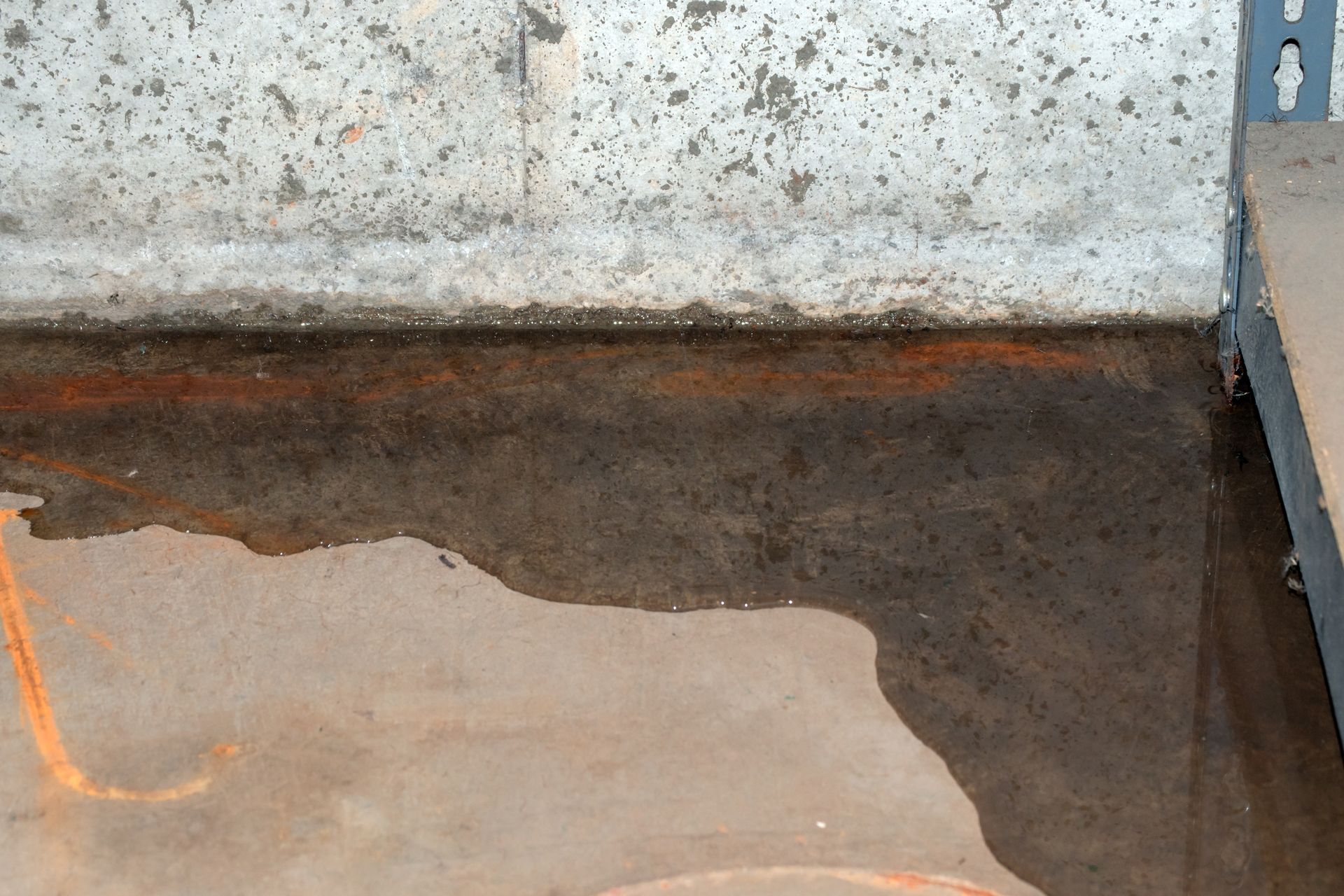
Water pooling on a concrete basement floor against a foundation wall with signs of rust or water damage.
by Ricky Powers 1 October 2025
Basement Water Damage in Frederick County: Why It Happens and How to Respond Basement water damage is one of the most common and costly problems facing Frederick County homeowners. Whether you’re living in historic downtown Frederick or one of the county’s growing suburban communities, understanding why basements flood and how to respond quickly can save you thousands of dollars and prevent serious structural damage to your home. Why Frederick County Basements Are Particularly Vulnerable Frederick County’s unique geography and geology create perfect conditions for basement water issues. Located in the Piedmont region of Maryland, our area sits at the transition zone between the mountains to the west and the coastal plain to the east. This positioning, combined with our local soil composition and weather patterns, makes basement flooding a persistent challenge for homeowners throughout the county. Frederick’s Clay-Heavy Soil and Groundwater Challenges One of the primary reasons Frederick County experiences frequent basement water problems is our soil composition. Much of Frederick County sits on clay-heavy soils that don’t drain well. Unlike sandy or loamy soils that allow water to percolate quickly, clay soils hold water, creating hydrostatic pressure against foundation walls. The Monocacy River watershed, which runs through Frederick County, contributes to elevated groundwater tables throughout the area. During wet seasons—particularly spring and after heavy summer thunderstorms—the water table can rise significantly, pushing water through any vulnerabilities in your foundation. Frederick’s topography also plays a role. Many homes are built on sloped lots where water naturally flows downhill, directing runoff toward foundations. Combined with our clay soils’ poor drainage, this creates a perfect storm for basement water intrusion. Common Causes of Basement Water Damage in Frederick County Understanding what causes basement flooding helps you identify vulnerabilities in your own home and take preventive action. Sump Pump Failures Sump pumps are your first line of defense against basement flooding in Frederick County. However, they’re mechanical devices that can fail, often at the worst possible time—during heavy storms when they’re working hardest. Common sump pump problems include: Power outages during storms cutting off pump operation Overwhelmed pumps that can’t keep up with heavy water flow Mechanical failures from aging components or lack of maintenance Clogged discharge lines preventing proper water removal Float switch malfunctions that prevent the pump from activating Many Frederick homeowners discover their sump pump has failed only after finding water pooled in their basement. Foundation Cracks and Structural Issues Frederick County’s freeze-thaw cycles put tremendous stress on foundations. Water seeps into small cracks, freezes during winter, expands, and creates larger cracks over time. Even hairline cracks can allow significant water intrusion during heavy rains. Older homes in Frederick—particularly those in historic downtown areas—may have stone foundations that are more porous than modern poured concrete. These foundations, while charming and historic, are especially vulnerable to water seepage. Settlement cracks are also common as homes age and shift. Frederick’s clay soils can expand and contract with moisture levels, causing foundations to move and crack over time. Heavy Rain Events and Severe Weather Frederick County experiences intense rainfall throughout the year. Summer thunderstorms can drop several inches of rain in just hours, overwhelming drainage systems and sump pumps. Nor’easters and remnants of hurricanes moving up the East Coast can bring days of sustained heavy rain. The National Weather Service data shows Frederick receives an average of 40-45 inches of rain annually, with peak rainfall during summer months. A single severe thunderstorm can deposit 2-3 inches of rain in less than an hour—more water than most residential drainage systems can handle. Other Contributing Factors Clogged gutters and downspouts directing water toward foundations Improper grading that slopes toward the house instead of away Failed or inadequate exterior drainage systems Broken or deteriorated window wells allowing water entry Plumbing leaks from aging pipes or water heater failures Immediate Steps to Take When You Discover Basement Water Time is critical when dealing with basement water damage. Water damage worsens exponentially with each passing hour, and mold can begin growing within 24-48 hours in Maryland’s humid climate. Step 1: Ensure Safety First Do not enter a flooded basement without assessing safety risks. If water is more than a few inches deep, stay out until professionals arrive Never enter standing water if electrical outlets, appliances, or the electrical panel could be submerged Turn off electricity to the basement at your main breaker if you can do so safely from outside the flooded area Watch for structural damage like sagging ceilings or walls Be aware of slippery surfaces Step 2: Stop the Water Source (If Possible) If the water is from a plumbing failure rather than groundwater: Locate and shut off the water supply valve Turn off your main water line if you can’t identify the specific source Document the source with photos for insurance purposes For groundwater flooding, you’ll need to focus on removal and mitigation since you can’t “turn off” the source. Step 3: Contact CNR Restoration Immediately Call CNR Restoration’s 24/7 emergency line:  (443) 986-6717  Don’t wait to see if the water recedes on its own. Our IICRC-certified technicians can be on-site quickly to begin water extraction and damage mitigation. We serve Frederick County with immediate emergency response because we understand that every hour of delay increases damage and restoration costs. Step 4: Document Everything While waiting for professional help: Take photos and videos of all water damage Document water levels and affected areas Make a list of damaged items Keep receipts for any emergency expenses Note the time you discovered the water This documentation is crucial for insurance claims. Step 5: Begin Water Removal (Only If Safe) If the water level is minimal (less than an inch) and there’s no electrical hazard: Use a wet/dry vacuum to remove standing water Place fans to increase air circulation Move undamaged items to dry areas Remove wet materials like cardboard boxes However, significant flooding requires professional equipment. Standard household wet/dry vacuums and fans are insufficient for proper water extraction and drying. When to Call Professionals vs. DIY Cleanup Understanding when you need professional restoration services versus when you can handle cleanup yourself is crucial for protecting your home and health. Call CNR Restoration Professionals When: You absolutely need professional help if: Water is more than 2 inches deep Water has been standing for more than 24 hours The water source is contaminated (sewage backup, flood water, etc.) You see signs of mold growth Drywall, insulation, or flooring is saturated You smell musty or moldy odors The affected area is larger than 10 square feet Water has reached electrical outlets or appliances You have any doubts about safety Professional water damage restoration involves more than just removing visible water. CNR Restoration’s IICRC-certified technicians use: Industrial-grade water extractors that remove water standard vacuums can’t reach Commercial dehumidifiers that pull moisture from materials and air Air movers strategically placed to accelerate drying Moisture meters to detect hidden water in walls and floors Thermal imaging to identify water migration patterns Antimicrobial treatments to prevent mold growth We also provide crucial documentation for insurance claims and can coordinate directly with your insurance company. DIY Cleanup May Be Appropriate When: You might handle cleanup yourself only if ALL of these conditions are met: Water is from a clean source (supply line, not sewage or groundwater) The affected area is very small (less than 10 square feet) Water has been present for less than 24 hours No electrical hazards exist You can completely dry the area within 24-48 hours Only hard, non-porous surfaces are affected You have proper safety equipment Even in these limited cases, professional assessment is valuable. What appears to be minor surface water often indicates hidden moisture in walls, under flooring, or in insulation—problems that lead to mold growth and structural damage if not properly addressed. The Hidden Dangers of Incomplete Drying Many Frederick County homeowners make the costly mistake of thinking the problem is solved once visible water is gone. However, materials like drywall, insulation, carpet padding, and wood framing hold significant moisture even after surface water disappears. Maryland’s humid climate makes thorough drying especially critical. Incomplete drying leads to: Mold growth within 24-48 hours Structural damage from prolonged moisture exposure Musty odors that permeate the home Health problems from mold exposure Decreased property value Professional restoration includes moisture monitoring over several days to ensure complete drying, preventing these long-term problems. CNR Restoration: Frederick County’s Emergency Water Damage Experts When basement water damage strikes your Frederick County home, CNR Restoration responds immediately with professional water extraction, structural drying, and damage mitigation services. As a family-owned, IICRC-certified restoration company with over 10 years of field experience, we understand the unique challenges Frederick County homeowners face. Our emergency response services include: 24/7 availability throughout Frederick County Rapid response to prevent further damage Advanced water extraction and drying equipment Moisture detection and monitoring Mold prevention treatments Direct insurance company coordination Complete documentation for claims Don’t let basement water damage escalate into a costly disaster. Contact CNR Restoration immediately at (443) 974-5936 for emergency water damage response throughout Frederick County, Maryland.  CNR Restoration  serves Frederick County including Frederick, Middletown, Urbana, Mount Airy, Walkersville, and surrounding communities with professional water damage restoration, mold remediation, and emergency restoration services.
A kitchen ceiling with severe water damage, showing peeling paint, bubbles, and dark, damp patches above wooden cabinets.
by Ricky Powers 1 October 2025
What Frederick Homeowners Need to Know About Insurance Claims for Water Damage Discovering water damage in your Frederick County home triggers an immediate wave of stress and questions. Beyond the visible damage to your property, one concern looms largest: “Will my insurance cover this?” Understanding how homeowners insurance handles water damage claims can mean the difference between a manageable restoration process and a financial nightmare that leaves you paying thousands out of pocket. This guide walks you through everything Frederick homeowners need to know about water damage insurance claims, from what’s typically covered to how CNR Restoration works with your insurance company to streamline the process and maximize your claim approval. The Cost Anxiety: Why Insurance Coverage Matters Water damage restoration isn’t cheap. Professional water extraction, structural drying, mold remediation, and repairs can range from a few thousand dollars for minor incidents to $50,000 or more for extensive flooding. For most Frederick County families, these aren’t expenses you can simply absorb into your monthly budget. Your homeowners’ insurance policy is designed to protect you from these catastrophic costs, but only if you understand what’s covered, document everything properly, and respond quickly. Many homeowners unknowingly sabotage their own claims through delayed response, inadequate documentation, or misconceptions about their coverage. The good news? With proper knowledge and professional restoration partners like CNR Restoration, who coordinate directly with insurance companies, most legitimate water damage claims are approved. Understanding the process removes much of the anxiety and helps you focus on what matters: restoring your home and getting life back to normal. Common Misconceptions About Water Damage Coverage in Maryland Let’s address the most dangerous myths that cost Frederick homeowners money every year. Misconception #1: “My Homeowners Policy Covers All Water Damage” Reality: Standard homeowners insurance policies distinguish between “sudden and accidental” water damage (usually covered) and “gradual” or “flood” damage (often not covered). Your policy likely covers: Burst pipes from freezing Washing machine supply line failures Water heater ruptures Roof leaks from storm damage Sudden plumbing failures Your policy likely does NOT cover: Gradual leaks that developed over time Flood water entering from outside the home Groundwater seepage through foundations Maintenance-related issues like old pipes Sewer backups (unless you have specific coverage) Misconception #2: “Flood Insurance and Water Damage Coverage Are the Same” Reality: These are completely separate coverages addressing different water sources. Homeowners insurance water damage covers water originating inside your home or entering from above (like roof leaks). This is automatically included in standard policies. Flood insurance covers water that enters your home from outside—rising water from storms, river overflow, or surface water accumulation. This requires a separate policy through the National Flood Insurance Program (NFIP) or private insurers. In Frederick County, this distinction is critical. If the Monocacy River floods and water enters your home, or if heavy rains cause surface water to flood your basement, your standard homeowners policy won’t cover it—you need flood insurance. Many Frederick County properties aren’t in designated flood zones, so homeowners skip flood insurance. However, the Federal Emergency Management Agency (FEMA) reports that over 20% of flood claims come from properties outside high-risk flood zones. Given Frederick’s topography and the Monocacy watershed, flood insurance deserves consideration even if you’re not in a flood zone. Misconception #3: “I Should Wait to See How Bad It Is Before Calling Anyone” Reality: Delayed response is one of the top reasons insurance companies deny or reduce claims. Insurance policies require policyholders to take reasonable steps to prevent further damage. If you discover water damage on Monday but wait until Friday to call professionals, the insurance company can argue that damage occurring between Monday and Friday resulted from your failure to mitigate—making that additional damage your responsibility, not theirs. Maryland insurance policies typically include language requiring “prompt notice” and “reasonable steps to protect the property from further damage.” Waiting to act violates these requirements. Misconception #4: “Calling a Restoration Company Will Automatically Trigger My Insurance Rates to Increase” Reality: Filing a claim might affect your rates, but calling a restoration company for assessment doesn’t automatically mean filing a claim. Professional restoration companies, such as CNR Restoration, can provide emergency water extraction and mitigation while you determine whether to file a claim. Sometimes, damage is minor enough that paying out of pocket makes more sense than filing a claim. However, you won’t know this until professionals assess the situation. Additionally, preventing further damage through an immediate professional response often reduces overall costs, which can make the difference between a manageable claim and one that significantly impacts your rates. What Standard Homeowners Insurance Covers vs. What Requires Flood Insurance Understanding your coverage starts with knowing the difference between these two types of policies. Standard Homeowners Insurance Water Damage Coverage Typically Covered (Sudden and Accidental): Burst pipes: Pipes that freeze and burst during Frederick’s cold winters Appliance failures: Washing machine hoses, water heater ruptures, dishwasher malfunctions Plumbing failures: Sudden pipe breaks, toilet overflows, supply line failures Roof leaks from storms: Wind-driven rain through damaged roofing HVAC system leaks: Air conditioning condensation line failures Accidental overflow: Bathtubs, sinks left running Typically NOT Covered: Gradual damage: Slow leaks that develop over weeks or months Maintenance issues: Damage from neglected maintenance or wear and tear Flood water: Rising water from outside the home Groundwater seepage: Water entering through foundation walls or floor Sewer backup: Unless you’ve purchased specific sewer backup coverage Sump pump failure: Unless caused by a covered peril (some policies offer limited coverage) Maryland-Specific Context Maryland follows standard insurance industry practices, but there are regional considerations for Frederick County homeowners: Clay soil and foundation issues: Frederick’s clay-heavy soils cause foundation settlement and cracking. Insurance companies often scrutinize foundation-related water damage closely, looking for evidence of gradual damage or maintenance neglect rather than sudden events. Sewer backup coverage: Many Frederick County homes have older sewer connections. Standard policies exclude sewer backup damage, but you can add this coverage relatively inexpensively (often $50-150 annually). Given Frederick’s aging infrastructure, this endorsement is worth considering. Sump pump coverage: Because Frederick’s high water table makes sump pumps essential, consider adding sump pump failure coverage if available through your insurer. Flood Insurance Through NFIP Flood insurance is available through the National Flood Insurance Program and covers: Rising water from rivers, streams, or surface water Storm surge Mudflow Water that enters through walls, floors, or foundations from outside Standard NFIP policies cover up to: $250,000 for the structure $100,000 for contents Frederick County Flood Considerations: The Monocacy River and its tributaries create flood risk in specific Frederick County areas. Even areas not in designated flood zones can experience flooding during severe storms. Check FEMA flood maps at FloodSmart.gov to understand your property’s risk. Flood insurance typically requires a 30-day waiting period before coverage begins, so you can’t purchase it once a storm is approaching. Essential Documentation for Successful Water Damage Claims Proper documentation is the foundation of claim approval. Insurance adjusters need evidence to verify your claim and assess the extent of damage. Immediate Documentation (Before Any Cleanup) Take comprehensive photos and videos: Document all standing water and its depth Capture water damage to walls, floors, ceilings, and belongings Photograph the water source if identifiable Take wide shots showing overall damage and close-ups of specific items Include time stamps if your phone provides them Record video walkthroughs narrating what you’re showing Document the timeline: Note the exact time you discovered the water damage Record when the water damage likely started (if known) Document when you took initial steps (calling restoration company, shutting off water, etc.) Keep a log of all actions taken and when Create an inventory of damaged property: List all damaged items with descriptions Include purchase dates and approximate values if known Photograph damaged furniture, electronics, and belongings Don’t throw anything away until your adjuster has seen it or approved disposal Professional Documentation CNR Restoration provides: Detailed written assessment of water damage extent Moisture readings using professional meters Thermal imaging showing hidden water migration Daily progress reports during the drying process Final moisture readings confirming complete drying Itemized estimates for restoration work Photo documentation throughout the process This professional documentation significantly strengthens your claim by providing objective, technical evidence of damage and necessary restoration work. Receipts and Financial Documentation Keep receipts for: Emergency restoration services Temporary repairs to prevent further damage Any property replacement or repairs Hotel stays if you’re displaced Meal expenses if applicable to your policy Costs of moving or storing belongings Communication Records Document all communications: Save emails with your insurance company Take notes during phone calls (date, time, person’s name, what was discussed) Keep copies of all forms submitted Save text messages related to the claim Critical Timing: When to Call Restoration vs. Insurance First This question causes significant confusion and stress for homeowners dealing with water damage emergencies. Here’s the reality: Call the restoration company first, then notify your insurance company. Why Immediate Restoration Response Matters Water damage worsens exponentially with time: 0-24 hours: Water spreads through flooring, walls, and furniture. Wood begins swelling. Drywall begins absorbing water. 24-48 hours: Mold and mildew growth begins. Drywall swells and breaks down. Metal surfaces begin to corrode. Wood warping accelerates. 48+ hours: Serious mold growth. Structural damage. Biohazard contamination risk. Restoration costs increase significantly. In Maryland’s humid climate, mold growth accelerates even faster. Every hour you wait for insurance approval before starting mitigation adds to the damage—and the cost. Your Policy Requires Immediate Mitigation Remember: your insurance policy requires you to take reasonable steps to prevent further damage. Waiting for insurance approval before calling restoration professionals violates this requirement. Insurance companies expect and want you to begin emergency mitigation immediately. They don’t want damage to worsen while you’re waiting for approval. Emergency water extraction and drying to prevent further damage is expected and typically pre-approved as part of the claims process. The Right Sequence Step 1: Ensure safety and stop the water source if possible Step 2: Call CNR Restoration immediately at (443) 974-5936 We provide 24/7 emergency response throughout Frederick County Our technicians begin emergency water extraction and mitigation We assess damage extent and document everything We provide detailed estimates for your insurance company Step 3: Notify your insurance company Call your insurance company’s claims hotline (usually 24/7) Provide your policy number and basic incident details Explain that you’ve already contacted restoration professionals to prevent further damage Ask about your specific policy coverage and deductible Step 4: Continue documentation while restoration proceeds Professional restoration continues to prevent mold and further damage Your insurance company assigns an adjuster CNR Restoration coordinates directly with the adjuster This sequence protects your property, fulfills your policy obligations, and maximizes claim approval chances. How CNR Restoration Coordinates with Insurance Companies Navigating insurance claims while dealing with property damage is overwhelming. CNR Restoration streamlines this process by working directly with insurance adjusters and handling much of the documentation burden. Our Insurance Coordination Services Direct adjuster communication: We speak directly with your insurance adjuster to explain damage extent and necessary restoration work We provide technical expertise about moisture damage, drying requirements, and restoration processes We answer adjuster questions about our equipment, methods, and timeline Comprehensive documentation: Professional photo documentation throughout the restoration process Detailed moisture readings and drying logs Itemized estimates aligned with insurance industry standards Technical reports explaining restoration necessity Certificate of Satisfactory Completion when work is finished Xactimate estimates: Many insurance companies use Xactimate software for estimating restoration costs. CNR Restoration provides estimates in the same format, ensuring seamless communication with adjusters and reducing disputes over costs. Claim advocacy: While we work for you—not the insurance company—our professional documentation and industry expertise often help claims move forward smoothly. When adjusters see thorough documentation from IICRC-certified professionals, claims typically process faster with fewer complications. Payment coordination: We can work with you on payment timing, often accepting insurance payments directly once your claim is approved. This reduces your out-of-pocket burden during an already stressful time. What We Can and Cannot Do We can: Provide professional assessment and documentation Communicate technical information to adjusters Answer questions about restoration necessity and methods Provide industry-standard estimates Advocate for necessary restoration work We cannot: Guarantee your claim will be approved Interpret your specific policy coverage Make coverage decisions (only your insurance company does this) Waive your deductible or work outside insurance guidelines Warning Signs That Could Lead to Claim Denial Understanding what causes claims to be denied or reduced helps you avoid these costly mistakes. Delayed Response The problem: Waiting days or weeks to address water damage allows additional damage from mold growth, structural deterioration, and material breakdown. The result: Insurance companies can argue that damage occurring after initial discovery resulted from your failure to mitigate, making you responsible for that additional damage. The solution: Call CNR Restoration immediately when you discover water damage. Emergency mitigation within hours demonstrates you took reasonable steps to prevent further damage. Inadequate Documentation The problem: Insufficient photos, no timeline documentation, missing receipts, or poor communication records. The result: Adjusters can’t verify damage extent or necessary repairs, leading to reduced payouts or denial. The solution: Document everything extensively before, during, and after restoration. Professional restoration companies provide much of this documentation automatically. DIY Attempts That Worsen Damage The problem: Well-meaning homeowners try to handle water extraction and drying themselves but lack proper equipment and knowledge. Incomplete drying leads to mold growth. Improper techniques cause additional damage. The result: Insurance companies may deny coverage for damage resulting from improper DIY restoration attempts. The solution: While you should take immediate steps like stopping water sources and moving valuables, leave extraction and drying to professionals with industrial equipment and expertise. Failure to Disclose Previous Damage The problem: Not informing your insurance company about previous water damage or repairs in the same area. The result: If adjusters discover evidence of prior damage you didn’t disclose, they may deny the claim entirely or reduce it significantly. The solution: Be completely transparent about your home’s history, even if you’re concerned it might affect coverage. Adjusters will discover previous damage anyway, and honesty helps your credibility. Maintenance-Related Issues The problem: Water damage resulting from deferred maintenance—old pipes, neglected roof repairs, ignored foundation cracks. The result: Insurance policies exclude damage from maintenance neglect or gradual deterioration. The solution: Maintain your home properly and address small issues before they become major problems. When sudden damage occurs to older components, professional documentation showing it was an unexpected failure (not gradual deterioration) is crucial. Coverage Confusion The problem: Assuming coverage exists when it doesn’t (like expecting homeowners insurance to cover flood damage) or not understanding policy exclusions. The result: Surprise denials and financial hardship. The solution: Review your policy annually. Understand what’s covered and what requires additional endorsements. Ask your insurance agent specific questions about water damage coverage, including flood insurance needs for Frederick County properties. Frederick County-Specific Insurance Considerations Working with Frederick County properties for over 10 years, CNR Restoration understands local factors that affect insurance claims. Working with Local Insurance Agents Frederick County has numerous local insurance agencies alongside national carriers. Local agents often have valuable insights about regional risks: Common Frederick County claims: Local agents see patterns in claims specific to our area—frozen pipes during cold snaps, storm damage from summer thunderstorms, and basement flooding from clay soil issues. Policy recommendations: They can suggest coverage enhancements relevant to Frederick’s climate and geology. Claims advocacy: Local agents often provide more hands-on support during claims processes than distant call centers. Consider building a relationship with a local Frederick insurance professional who understands our area’s unique risks. Common Regional Claim Issues Foundation and groundwater claims: Frederick County’s clay soils and high water table create frequent foundation water intrusion. Insurance companies scrutinize these claims closely because they often result from gradual issues rather than sudden events. Solution: Professional documentation showing sudden water intrusion (not gradual seepage) is critical. CNR Restoration’s moisture mapping and timeline documentation help demonstrate the sudden onset. Storm damage complexity: Maryland’s severe weather creates complex claims where multiple damage sources exist—roof damage, power outages causing sump pump failure, and surface water intrusion happening simultaneously. Solution: Detailed documentation separating damage sources helps adjusters understand coverage for different aspects of compound incidents. Historic property considerations: Frederick’s historic downtown includes many older homes with unique construction. Insurance claims on historic properties sometimes face additional scrutiny about pre-existing conditions. Solution: Documentation showing the sudden nature of damage versus pre-existing conditions is essential. Professional restoration companies familiar with historic properties provide valuable expertise. Maryland Insurance Regulations Maryland Insurance Administration oversees insurance practices in our state. If you encounter claim disputes: Maryland requires insurance companies to respond to claims within specific timeframes You have rights to dispute claim denials The Maryland Insurance Administration provides consumer resources at insurance.maryland.gov Take Action: CNR Restoration’s 24/7 Emergency Response Water damage doesn’t wait for convenient business hours, and neither do we. When water damage strikes your Frederick County home, CNR Restoration provides immediate 24/7 emergency response with IICRC-certified technicians who understand both professional restoration and insurance coordination. Call CNR Restoration now:  (443) 986-6717  Why Frederick County Homeowners Choose CNR Restoration Family-owned with local expertise: We live and work in Frederick County. We understand our area’s unique water damage risks, from clay soil issues to severe weather patterns. IICRC-certified professionals: Our technicians hold industry certifications in water damage restoration, ensuring we follow best practices that insurance companies expect and approve. Comprehensive insurance coordination: We handle documentation, communicate directly with adjusters, and provide industry-standard estimates that streamline your claims process. Advanced restoration equipment: Industrial water extractors, commercial dehumidifiers, air movers, moisture meters, and thermal imaging—professional equipment that ensures complete drying and prevents mold growth. Over 10 years of experience: We’ve worked with virtually every insurance company operating in Maryland. We know what adjusters need to see and how to present restoration work for claim approval. Fast response throughout Frederick County: We serve Frederick, Middletown, Urbana, Mount Airy, Walkersville, and all surrounding Frederick County communities with rapid emergency response. Don’t let water damage escalate into a financial disaster. Contact CNR Restoration immediately for professional water damage mitigation and seamless insurance coordination. Disclaimer: This article provides general guidance about water damage insurance claims based on common Maryland homeowners’ insurance policy provisions. Insurance policies vary significantly between carriers and individual policies. Always review your specific policy documents for exact coverage details, exclusions, and requirements. When in doubt about coverage, contact your insurance agent or company directly. CNR Restoration provides restoration services and insurance coordination, but cannot provide insurance advice or guarantee claim outcomes. CNR Restoration serves Frederick County, Maryland, with 24/7 emergency water damage restoration, mold remediation, fire restoration, and comprehensive property restoration services.
A person in blue protective gloves sprays a cleaning solution onto mold growing on a wall behind a radiator.
by Ricky Powers 1 October 2025
The Hidden Costs of Delaying Mold Remediation in Maryland Homes When you discover mold in your Frederick County home, the immediate reaction is often a mix of concern and reluctance. The musty smell in the basement, the dark spots spreading on your bathroom ceiling, or the discoloration behind furniture triggers an internal debate: “How bad is it really? Can I just clean it myself? Do I really need to spend thousands on professional remediation?” These questions are completely understandable. Mold remediation costs feel like an unexpected financial burden, and it’s natural to hope the problem isn’t as serious as it looks. Many Frederick homeowners convince themselves they can monitor the situation, that a little bleach will solve it, or that maybe it’ll just stay contained to that one corner. The uncomfortable truth is that delaying professional mold remediation doesn’t save money—it multiplies costs exponentially. What starts as a $2,000-3,000 remediation project can escalate to $15,000-30,000 or more when left untreated. Beyond direct remediation costs, delayed action triggers cascading expenses: medical bills, property value loss, structural repairs, and insurance complications that can leave you paying entirely out of pocket. This article breaks down the real financial and health costs of mold remediation delay, using actual scenarios from Frederick County homes to illustrate how “waiting and seeing” becomes the most expensive decision homeowners make. How Mold Spreads Exponentially in Maryland’s Humid Climate Maryland’s climate creates ideal conditions for rapid mold growth. Frederick County experiences: Average relative humidity of 65-75% year-round Hot, humid summers with temperatures in the 80s-90s Significant seasonal moisture from 40+ inches of annual rainfall Poor air circulation in basements and crawl spaces typical of our housing stock These conditions mean mold doesn’t just grow—it explodes. The Mold Growth Timeline 0-24 Hours After Water Exposure: Mold spores (which exist everywhere) land on damp surfaces. In Maryland’s humid environment, they begin activating immediately. You won’t see visible growth yet, but the colonization process has started. 24-48 Hours: Visible mold growth begins on porous materials like drywall, wood, fabric, and insulation. In Maryland’s summer humidity, this timeline accelerates—sometimes showing visible growth within 18 hours. The mold is still surface-level and relatively contained. 48-72 Hours: Mold colonies establish and begin spreading aggressively. Spores become airborne, spreading to adjacent areas through HVAC systems and natural air movement. What started in one bathroom corner now has spores circulating throughout your home. 1-2 Weeks: Heavy mold growth becomes obvious. The colony penetrates deeper into materials—not just surface mold on drywall but growth inside the drywall itself, between wall cavities, and into insulation. Odors intensify. Cross-contamination to other areas is now certain. 2-4 Weeks: Extensive contamination requires not just surface cleaning but material removal. Drywall, insulation, carpet, and potentially wood framing must be discarded. The affected area has likely doubled or tripled from the initial discovery point. Months: Structural damage becomes evident. Wood begins rotting. Drywall integrity fails. What was a moisture problem in one room now affects multiple rooms, requires extensive demolition, and potentially impacts your home’s structural elements. Why Maryland’s Climate Accelerates This Timeline Frederick County’s clay-heavy soils hold moisture against foundations, keeping basements perpetually damp. Our humid summers mean even upper-level rooms maintain the 60%+ relative humidity that mold thrives in. Without aggressive dehumidification and ventilation—which most homes lack—mold spreads faster here than in drier climates. Once mold establishes in Maryland homes, it rarely stops growing on its own. Our climate provides constant moisture, and our seasonal temperature swings create condensation issues that feed existing colonies. The idea that mold will “just stay in that one spot” defies both biology and our regional climate reality. Health Cost Escalation: From Minor Symptoms to Medical Bills Mold exposure health effects follow a predictable escalation pattern, with costs mounting at each stage. Stage 1: Initial Symptoms (Weeks 1-4) Common symptoms: Nasal stuffiness and sinus congestion Throat irritation and coughing Eye irritation and watering Skin rashes in some individuals Worsening of existing asthma or allergies Health costs at this stage: Over-the-counter allergy medications: $20-50/month Possible doctor visit if symptoms persist: $100-200 copay Lost productivity from feeling unwell Many homeowners attribute these symptoms to seasonal allergies or colds, not realizing their home environment is the cause. This denial extends the exposure period. Stage 2: Moderate Health Impact (Months 2-6) Escalating symptoms: Chronic respiratory infections requiring antibiotics Persistent coughing and wheezing Chronic sinus infections Frequent headaches Fatigue and difficulty concentrating Worsening asthma requiring increased medication Health costs at this stage: Multiple doctor visits: $300-600 Prescription medications: $50-200/month Potential specialist referrals (allergist, pulmonologist): $200-400 per visit Lost work days: $500-2,000+ depending on occupation Diagnostic tests if doctors are investigating cause: $500-1,500 Cumulative health costs by 6 months: $2,000-5,000+ Stage 3: Serious Health Complications (6+ Months) Severe symptoms: Chronic respiratory conditions Severe asthma attacks requiring emergency care Chronic bronchitis Development of mold sensitivity or allergies that didn’t previously exist Potential neurological symptoms in severe cases Immune system compromise Health costs at this stage: Emergency room visits for respiratory distress: $1,000-3,000 per visit Ongoing specialist care: $2,000-5,000 annually Advanced medications and treatments: $200-500/month Potential hospitalization: $10,000-50,000+ Long-term health monitoring Cumulative health costs after one year: $10,000-25,000+ Vulnerable Populations at Greater Risk The health cost escalation accelerates dramatically for: Children: Their developing respiratory systems are particularly vulnerable. Chronic mold exposure in childhood has been linked to asthma development. Frederick County families with children face potentially lifelong health consequences and medical costs from mold exposure delays. Elderly residents: Reduced immune function means faster symptom development and more serious complications. What causes minor irritation in healthy adults can trigger serious respiratory infections in seniors. Immunocompromised individuals: Cancer patients, transplant recipients, people with autoimmune conditions, and others with compromised immunity face severe health risks from mold exposure, including life-threatening infections. Existing respiratory conditions: Anyone with asthma, COPD, or other respiratory conditions experiences significant symptom worsening, requiring increased medical intervention. For these populations, the health costs of delayed remediation aren’t just higher—they’re potentially catastrophic. Property Value Impact and Maryland Disclosure Requirements Mold doesn’t just affect your health and wallet today—it permanently impacts your home’s value and your ability to sell. Maryland’s Seller Disclosure Requirements Maryland law requires sellers to disclose known material defects, including past or present mold problems. The Maryland Residential Property Disclosure and Disclaimer Statement specifically addresses water intrusion and mold issues. What you must disclose: Current mold growth Past mold problems, even if remediated Water intrusion issues that caused or could cause mold Any mold remediation performed Failing to disclose known mold issues can result in: Buyer lawsuits after sale Requirement to pay for remediation costs discovered post-sale Potential fraud claims Damage to your reputation and legal liabilities Impact on Sale Price When you disclose mold history: Scenario 1: Professional remediation with documentation Property value impact: 3-5% reduction typically Buyers gain confidence from professional remediation certificates Some buyers barely negotiate if remediation was thorough and recent Scenario 2: DIY cleanup or undocumented remediation Property value impact: 10-20% reduction or more Buyers assume the worst without professional documentation Inspection contingencies become more aggressive Many buyers simply walk away Scenario 3: Visible active mold or extensive past damage Property value impact: 20-30%+ reduction, or unsellable until remediated Most buyers require professional remediation before closing You pay for remediation anyway, but at the worst possible time Extended time on market damages your negotiating position Real Cost Example A Frederick County home valued at $400,000: Early professional remediation ($3,000) = minimal value impact Delayed remediation requiring extensive work ($15,000) = 10% value loss = $40,000 Net loss from delay: $52,000 ($40,000 value loss + $12,000 additional remediation cost) The math is brutal: delaying mold remediation doesn’t save money on the remediation—it destroys your home’s value far beyond what professional remediation would have cost. Structural Damage Progression: The Long-Term Costs Mold isn’t just unsightly—it actively destroys building materials, creating structural damage that escalates repair costs exponentially. Months 1-3: Surface Damage What’s happening: Mold grows on surface of drywall, wood, and other materials Paint and finishes deteriorate Visible staining and discoloration Materials remain structurally sound Remediation costs: $2,000-5,000 Professional mold removal Surface cleaning and treatment Antimicrobial application Minimal material removal Months 3-6: Material Penetration What’s happening: Mold penetrates into drywall, not just on surface Wood begins showing early rot signs Insulation becomes contaminated Paper backing on drywall becomes food source for accelerated growth Remediation costs: $5,000-12,000 Drywall removal and replacement Insulation removal and replacement Treatment of wood framing More extensive containment required Increased labor for demolition and reconstruction Months 6-12: Structural Compromise What’s happening: Wood framing shows significant rot Floor joists, wall studs, or ceiling joists weakening Drywall structural integrity fails (crumbling, sagging) Subfloor damage if ground-level HVAC system contamination spreading mold throughout house Remediation costs: $12,000-30,000+ Extensive demolition Structural wood replacement (joists, studs, beams) Complete HVAC cleaning or replacement Full room or multiple room reconstruction Engineering assessment for structural repairs Permits and inspections for structural work 12+ Months: Major Structural Damage What’s happening: Foundation issues from persistent moisture Major structural wood replacement needed Potential floor collapse risk Compromised load-bearing elements Whole-house contamination Remediation costs: $30,000-100,000+ Major structural repairs Potential temporary housing during extensive work Foundation repairs Complete rebuilding of affected areas Possible permitting and code compliance issues The pattern is clear: each month of delay roughly doubles the remediation cost as surface problems become penetration problems become structural problems. Insurance Complications: How Delay Jeopardizes Coverage Many homeowners delay mold remediation thinking, “If it gets bad enough, insurance will cover it.” This assumption is backwards—delay often eliminates insurance coverage entirely. Why Insurance Companies Deny Mold Claims Gradual damage exclusion: Most homeowners insurance policies exclude “gradual” damage, covering only “sudden and accidental” incidents. When you discover mold but wait months to address it, the insurance company argues that damage occurring during your delay is gradual, not sudden—eliminating coverage. Failure to mitigate: Insurance policies require policyholders to take reasonable steps to prevent further damage. Discovering mold but taking no action violates this requirement. Insurance companies can deny the entire claim or reduce payment by the amount they attribute to your failure to mitigate. Maintenance exclusion: If mold results from long-term moisture problems you should have addressed (leaky pipes, poor ventilation, foundation issues), insurance may deny coverage entirely as maintenance-related. Timeline Impact on Coverage Scenario 1: Immediate professional response You discover water damage and mold starting You call CNR Restoration within 24-48 hours Professional documentation shows sudden water event Insurance likely covers remediation costs (minus deductible) Scenario 2: Weeks of delay You discover mold but wait 3-4 weeks hoping it won’t spread When you finally call professionals, mold has spread significantly Insurance company argues the spread during your delay is your responsibility They may cover initial damage but not the additional damage from your delay Your remediation bill just increased by $5,000-10,000+ that you pay out of pocket Scenario 3: Months of delay You’ve known about mold for months but did nothing Extensive structural damage has occurred Insurance denies the entire claim as gradual damage and failure to mitigate You pay the full $20,000-30,000+ remediation cost yourself The cruel irony: homeowners delay remediation to avoid costs, but that delay eliminates the insurance coverage that would have paid for it. Cost Comparison: Early Intervention vs. Delayed Remediation Let’s examine the real numbers comparing early professional intervention versus delayed response. Early Intervention Costs ($2,000-5,000) Small mold colony (less than 10 square feet) caught within weeks: Professional mold testing and inspection: $300-500 Containment and mold removal: $1,000-2,000 Antimicrobial treatment: $300-500 Air filtration: $200-400 Moisture remediation (dehumidification, source repair): $500-1,500 Total: $2,300-4,900 What this includes: Professional IICRC-certified remediation Proper containment preventing spread Complete removal of mold colonies Prevention of recurrence Clean air quality restoration Documentation for insurance/resale Delayed Remediation Costs ($10,000-30,000+) Extensive mold contamination (multiple rooms, structural damage) after months of delay: Professional mold testing and extensive air quality testing: $500-1,000 Large-scale containment with negative air pressure: $1,000-2,000 Extensive mold removal: $3,000-8,000 Complete drywall removal and replacement: $3,000-8,000 Insulation removal and replacement: $1,500-4,000 Wood framing treatment or replacement: $2,000-10,000 HVAC system cleaning or component replacement: $1,000-5,000 Subfloor or structural repairs: $2,000-8,000 Final air quality clearance testing: $500-800 Total: $14,500-46,800 Additional costs not included above: Temporary housing if home is uninhabitable: $2,000-5,000/month Storage for belongings during remediation: $200-500/month Lost work time coordinating extensive project: $1,000-3,000 Property value loss when eventually selling: $10,000-50,000+ Health costs from extended exposure: $5,000-25,000+ What Drives Cost Escalation Labor multiplication: Early remediation might require 8-16 hours of work. Delayed remediation requires 80-200+ hours of labor for demolition, treatment, and reconstruction. Materials expansion: Early intervention might require treating 50 square feet of surface. Delayed remediation requires removing and replacing 500-1,000+ square feet of materials. Complexity increase: Early work is straightforward mold removal. Delayed work requires engineering assessments, structural repairs, permits, and coordination with multiple trades. Containment requirements: Small colonies need basic containment. Extensive contamination requires full room or multi-room containment with negative air pressure and specialized equipment. The mathematics are straightforward: every month of delay doubles or triples your eventual remediation cost. Frederick County Case Studies: Real Cost Differences These anonymized examples come from actual CNR Restoration projects in Frederick County, illustrating how delay decisions impact final costs. Case Study 1: The Downtown Frederick Bathroom Initial discovery: Homeowner noticed small dark spots on bathroom ceiling near shower in historic downtown Frederick row home. Spots covered approximately 2 square feet. Decision: “It’s just a small spot. I’ll keep an eye on it.” Timeline: Month 1: Spots noticed but ignored Month 2: Spots expanded to 6 square feet, musty smell developed Month 3: Homeowner attempted DIY bleach cleaning (mold returned within weeks) Month 4: Visible mold now in adjoining bedroom, ceiling showed water staining Month 5: Called CNR Restoration when guests commented on smell Final scope: Mold had spread through attic space above bathroom into two bedrooms. Roof leak (the original moisture source) had been active for months. Required: Complete bathroom ceiling drywall removal Attic insulation removal (150 square feet) Two bedroom ceiling repairs Roof repair by separate contractor Full mold remediation with containment Cost if addressed in Month 1: $2,500-3,500 (small bathroom remediation + roof repair) Actual cost after 5-month delay: $14,800 (extensive remediation + structural repairs) Additional costs: Roof damage repair increased from $800 to $3,200 because delay allowed water intrusion to damage roof decking. Health costs for respiratory issues during exposure: approximately $1,200. Total cost of delay: $15,700+ Case Study 2: The Urbana Basement Initial discovery: Frederick County family in Urbana noticed musty smell in finished basement. Small visible mold patch (approximately 3 square feet) behind basement sofa. Decision: “We’ll deal with it after the holidays.” (Discovered in November) Timeline: November: Initial discovery, no action taken December-January: Maryland’s freeze-thaw cycle caused foundation crack expansion, increasing moisture intrusion February: Strong musty smell throughout basement level March: Adult son developed persistent cough, family called CNR Restoration April: Remediation performed Final scope: Mold had spread through entire finished basement—behind drywall, in insulation, under carpet and padding. Foundation crack had allowed continued moisture entry. Required: Complete basement drywall removal (1,200 square feet) All basement insulation removal Carpet and padding removal (entire basement) Foundation crack repair Wood framing treatment Complete basement reconstruction after remediation Cost if addressed in November: $3,500-4,500 (small remediation + immediate foundation repair) Actual cost after 5-month delay: $28,400 (full basement remediation and reconstruction) Additional costs: Family stayed with relatives during 3-week remediation (inconvenience but no hotel costs). Health costs: $800 in doctor visits and medications for son’s respiratory issues. Lost work time coordinating project: approximately $1,500. Total cost of delay: $27,200+ Case Study 3: The Mount Airy Early Intervention Success Initial discovery: Homeowner noticed small mold spots in bathroom after return from two-week vacation. Water had leaked from toilet supply line while family was away. Decision: Called CNR Restoration same day mold was discovered. Timeline: Day 1: Discovered mold, called CNR Restoration Day 2: CNR assessed situation, began remediation Day 3-5: Remediation completed, moisture source repaired Final scope: Mold was contained to bathroom. Quick response prevented spread. Required: Bathroom mold removal (8 square feet affected) Drywall treatment and sealing Antimicrobial application Moisture testing to confirm complete drying Plumbing repair Total cost: $2,800 Cost if delayed 2-3 months (based on similar scenarios): $8,000-15,000 Savings from immediate action: $5,200-12,200 Additional benefit: No health issues, no property value impact, no insurance complications. Professional documentation provided peace of mind for future resale. The Pattern These cases illustrate a consistent pattern: immediate professional response costs $2,000-5,000. Delayed response costs $10,000-30,000+. The “savings” from waiting aren’t savings—they’re the down payment on exponentially larger costs. Warning Signs That Mold Remediation Cannot Wait Certain situations demand immediate professional intervention, not “wait and see” approaches. Act immediately if you notice: Visible mold growth larger than 10 square feet (roughly 3x3 feet) Musty odors that persist despite cleaning and ventilation Active water intrusion or moisture problems creating ongoing mold growth conditions Mold in HVAC systems or ductwork (will spread throughout home) Anyone in household experiencing respiratory symptoms that worsen at home but improve away from home Mold in multiple locations indicating systemic moisture problem Mold growth returning quickly after cleaning attempts Recent flooding or significant water damage (mold growth certain within 24-48 hours) Mold in areas with cellulose materials (drywall, wood, paper, cardboard) where it spreads fastest Discovering mold during home sale process (must be addressed before closing) High-risk locations requiring immediate attention: Attics (roof leaks cause rapid spread) Crawl spaces (contamination spreads to entire house through air movement) HVAC systems (mold spores distributed throughout home) Behind walls where moisture is trapped (extensive hidden growth likely) Areas with vulnerable occupants (children’s bedrooms, elderly residents) If any of these warning signs apply to your Frederick County home, delaying professional remediation transforms a manageable problem into a health hazard and financial disaster. How CNR Restoration’s Free Assessment Protects Your Investment The biggest barrier to early mold remediation is uncertainty about costs and scope. Many homeowners delay calling professionals because they fear high-pressure sales tactics or discovering the problem is worse (and more expensive) than they hoped. CNR Restoration eliminates this barrier with comprehensive free mold assessments for Frederick County homeowners. What Our Free Assessment Includes Visual inspection: IICRC-certified technicians examine visible mold and assess the affected area extent. We identify obvious growth and use our experience to spot likely hidden contamination. Moisture detection: Professional moisture meters detect elevated moisture levels in walls, floors, and ceilings even when surfaces appear dry. This reveals hidden moisture fueling mold growth. Source identification: We identify what’s causing the moisture problem—roof leaks, foundation issues, plumbing problems, condensation, or other sources. Effective remediation requires eliminating the moisture source. Scope development: We provide a clear explanation of what remediation will require: materials to be removed, areas to be treated, timeline, and why each step is necessary. Cost estimate: Detailed, written estimate for professional remediation. No surprises, no hidden fees, no high-pressure tactics. You’ll know exactly what proper remediation costs before committing. Insurance guidance: We explain whether your situation likely qualifies for insurance coverage and can coordinate directly with your insurance company if you choose to file a claim. Why Free Assessment Matters Knowledge removes fear: Many homeowners’ biggest fear is the unknown. Our assessment transforms “I don’t know how bad this is or what it costs” into “Here’s exactly what’s happening and what it costs to fix.” Early detection saves money: Free assessment encourages homeowners to call when they first suspect problems, not after months of denial. Earlier detection means dramatically lower costs. Professional guidance: Even if you’re not ready to proceed immediately, our assessment gives you the information to make informed decisions. You’ll understand the urgency level and consequences of delay. No obligation: The assessment is truly free with no obligation to proceed. We provide the information; you make the decision. Most homeowners who understand the cost escalation of delay choose to proceed, but the decision is always yours. What Happens After Assessment If you choose to proceed, CNR Restoration provides: Immediate scheduling: Mold remediation urgency means we prioritize quick scheduling. Most projects begin within days of assessment. IICRC-certified remediation: Our technicians follow industry best practices for mold removal, containment, and prevention. Professional standards protect your health and home. Insurance coordination: We handle documentation and communication with insurance adjusters, reducing your stress during an already difficult situation. Complete restoration: We don’t just remove mold—we address moisture sources and restore affected areas, ensuring the problem won’t return. Post-remediation testing: Final air quality testing confirms successful remediation and gives you peace of mind. Documentation: Complete documentation of remediation work protects your property value and provides disclosure documentation for future sale. Take Action: Protect Your Health and Investment Mold remediation costs feel overwhelming when you’re facing them unexpectedly. But the mathematics are undeniable: delaying professional intervention doesn’t reduce costs—it multiplies them by five or ten times while damaging your health and property value. The question isn’t whether you can afford professional mold remediation. It’s whether you can afford NOT to address it immediately. Call CNR Restoration now for your free mold assessment:  (443) 986-6717  Why Frederick County Homeowners Trust CNR Restoration Family-owned with local expertise: We live and work in Frederick County. We understand our region’s unique mold challenges from Maryland’s humid climate to local housing construction patterns. IICRC-certified professionals: Our technicians hold industry certifications in mold remediation, ensuring we follow proven protocols that protect your health and home. Over 10 years of experience: We’ve remediated hundreds of Frederick County homes. We know how mold spreads here, what works, and what doesn’t. Transparent pricing: Free assessment means no surprises. You’ll know costs before committing. We provide detailed estimates, not vague ranges. Insurance coordination: We work directly with insurance companies, handling documentation and adjuster communication to streamline your claim. Complete service: We don’t just remove mold—we identify and fix moisture sources, prevent recurrence, and restore affected areas to pre-loss condition. Don’t let cost concerns trap you in expensive inaction. CNR Restoration’s free assessment gives you the information you need to make the right decision for your home, your health, and your finances. Contact CNR Restoration today:  (443) 986-6717  Available 24/7 throughout Frederick County including Frederick, Middletown, Urbana, Mount Airy, Walkersville, and all surrounding communities. CNR Restoration provides professional mold testing, IICRC-certified mold remediation, and comprehensive moisture control services throughout Frederick County, Maryland. Protect your home and health with Maryland’s trusted mold remediation experts.